When to Hire a Developmental Editor vs. a Copyeditor
Introduction
One of the most common questions authors ask during the publishing process is: “What type of editor do I actually need?”
Editing is not a one-size-fits-all service, and understanding the difference between a developmental editor and a copyeditor can save you time, money, and frustration—while significantly improving the quality of your book.
At All in the Edit, we work with authors at every stage of the writing and publishing journey. Many manuscripts come to us with strong ideas and passion behind them, but they need different kinds of editorial support depending on where the author is in the process. Knowing when to hire a developmental editor versus when to hire a copyeditor is a crucial step in setting your book up for success.
Let’s break it down.
Understanding the Editing Process
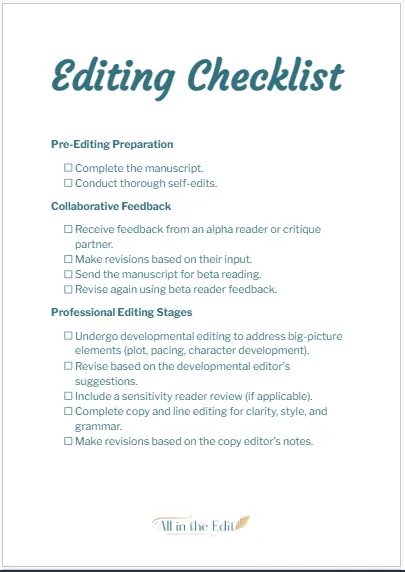
Before diving into the differences, it helps to understand that editing usually happens in layers, not all at once. Each stage builds on the one before it:
Developmental Editing – Big-picture structure and content
Line or Stylistic Editing – Voice, flow, and readability
Copyediting – Grammar, consistency, and technical accuracy
Proofreading – Final polish before publication
This blog focuses on the first and third stages—developmental editing and copyediting—which are often confused or misunderstood.

What Does a Developmental Editor Do?
A developmental editor looks at the foundation of your manuscript. This type of editing focuses on the overall structure, clarity, and effectiveness of your book as a whole.
Rather than correcting grammar or spelling, a developmental editor asks bigger questions such as:
Does the story or argument make sense?
Is the structure working for the intended audience?
Are the characters, themes, or ideas fully developed?
Does the pacing hold the reader’s attention?
Is the book aligned with its genre or market expectations?
Key Areas a Developmental Editor Reviews
Structure and organisation
A developmental editor examines how your chapters are arranged, whether information flows logically, and whether the opening and ending are strong enough to hook and satisfy readers.
Plot and pacing (for fiction)
They assess whether the plot is engaging, consistent, and well-paced. Are there scenes that drag? Plot holes? Characters who need more development or motivation?
Content clarity (for non-fiction)
For non-fiction authors, developmental editing focuses on clarity, argument strength, and reader takeaways. Are ideas explained clearly? Is the content valuable and actionable?
Audience and market fit
A developmental editor considers whether your manuscript meets reader expectations for your genre or niche and whether it aligns with your publishing goals.
When You Should Hire a Developmental Editor
You should consider developmental editing if:
You have completed a first or early draft
You feel unsure about the structure or direction of your book
You’ve received feedback that the manuscript is confusing or uneven
You know the story or message is there, but it isn’t landing properly yet
You want professional guidance before moving into detailed editing
Developmental editing is especially valuable before investing in copyediting. Fixing grammar on a manuscript that still needs major structural changes can result in wasted time and money.

What Does a Copyeditor Do?
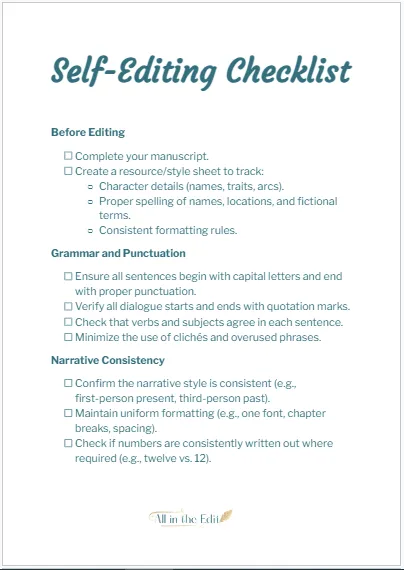
A copyeditor focuses on the technical precision of your manuscript. Once the structure and content are solid, copyediting ensures the writing is clean, consistent, and professional.
Copyediting addresses the mechanics of language while respecting your voice and style.
Key Areas a Copyeditor Reviews
Grammar, spelling, and punctuation
This includes correcting errors and ensuring consistent usage throughout the manuscript.
Sentence clarity and readability
A copyeditor smooths awkward phrasing, improves sentence flow, and ensures your writing is clear and easy to read.
Consistency
This covers spelling preferences (UK/AU vs US), capitalisation, hyphenation, terminology, character names, timelines, and formatting consistency.
Style guide adherence
A copyeditor works within a chosen style guide (or creates one for your book) to maintain consistency across the manuscript.
Basic fact-checking
While not full fact-checkers, copyeditors may flag inconsistencies or questionable details for author review.
When You Should Hire a Copyeditor
You should consider copyediting if:
Your manuscript is structurally complete
You are confident in the plot, content, and organisation
You are preparing the book for publication or layout
You want your work to look professional and polished
You are close to your final draft
Copyediting is a critical step for any author planning to publish, whether traditionally or independently. Readers may forgive a slow chapter—but repeated grammar errors can break trust and credibility.
Developmental Editing vs. Copyediting: A Quick Comparison

Can You Skip One and Go Straight to the Other?
This is a common question—and the honest answer is: it depends.
Some authors have strong structural instincts and extensive experience, making developmental editing less necessary. Others benefit enormously from early-stage guidance before refining their prose.
However, skipping developmental editing when it’s needed often leads to:
Major revisions after copyediting
Increased costs
Frustration and burnout
Inconsistent or weakened final manuscripts
At All in the Edit, we frequently recommend an editorial assessment or manuscript review if you’re unsure which service is right for you. This allows us to give honest, tailored advice based on your manuscript’s current state.
Where All in the Edit Fits In
We support authors through every stage of editing and publishing, offering:
Copyediting
Proofreading
Publishing guidance and support
Clear timelines and transparent processes
Our goal is not just to edit your book, but to help you understand why each stage matters—so you can move forward with confidence.
Final Thoughts
Hiring the right editor at the right time can completely transform your publishing experience. A developmental editor helps you build a strong, engaging foundation, while a copyeditor ensures your manuscript is polished, professional, and publication-ready.
Rather than choosing between the two as an either/or decision, think of them as partners in different phases of your book’s journey. When used strategically, they work together to elevate your manuscript and protect the integrity of your work.
If you’re feeling unsure about what your book needs next, you’re not alone—and you don’t have to figure it out on your own.
Ready to take the next step with your manuscript?
At All in the Edit, we offer personalised editing and publishing services designed specifically for authors. Whether you need big-picture developmental support or precise copyediting, we’ll guide you through the process with clarity and care.
👉 Get in touch today to discuss your manuscript and find the editing service that’s right for you.
Your story deserves expert attention—and we’d love to help you bring it to life.