What is Line Editing and Why It Matters for Your Book
Introduction
When it comes to preparing a manuscript for publication, many authors are familiar with the basics: writing, revising, and perhaps a round or two of proofreading. But between developmental edits and final copyedits lies a crucial stage that is often misunderstood or overlooked: line editing.
At All in the Edit, we believe line editing is where the magic truly happens. It’s the stage that transforms a promising manuscript into a compelling, polished piece of writing that resonates with readers. In this post, we’ll break down what line editing is, how it differs from other types of editing, and why every author should invest in it.
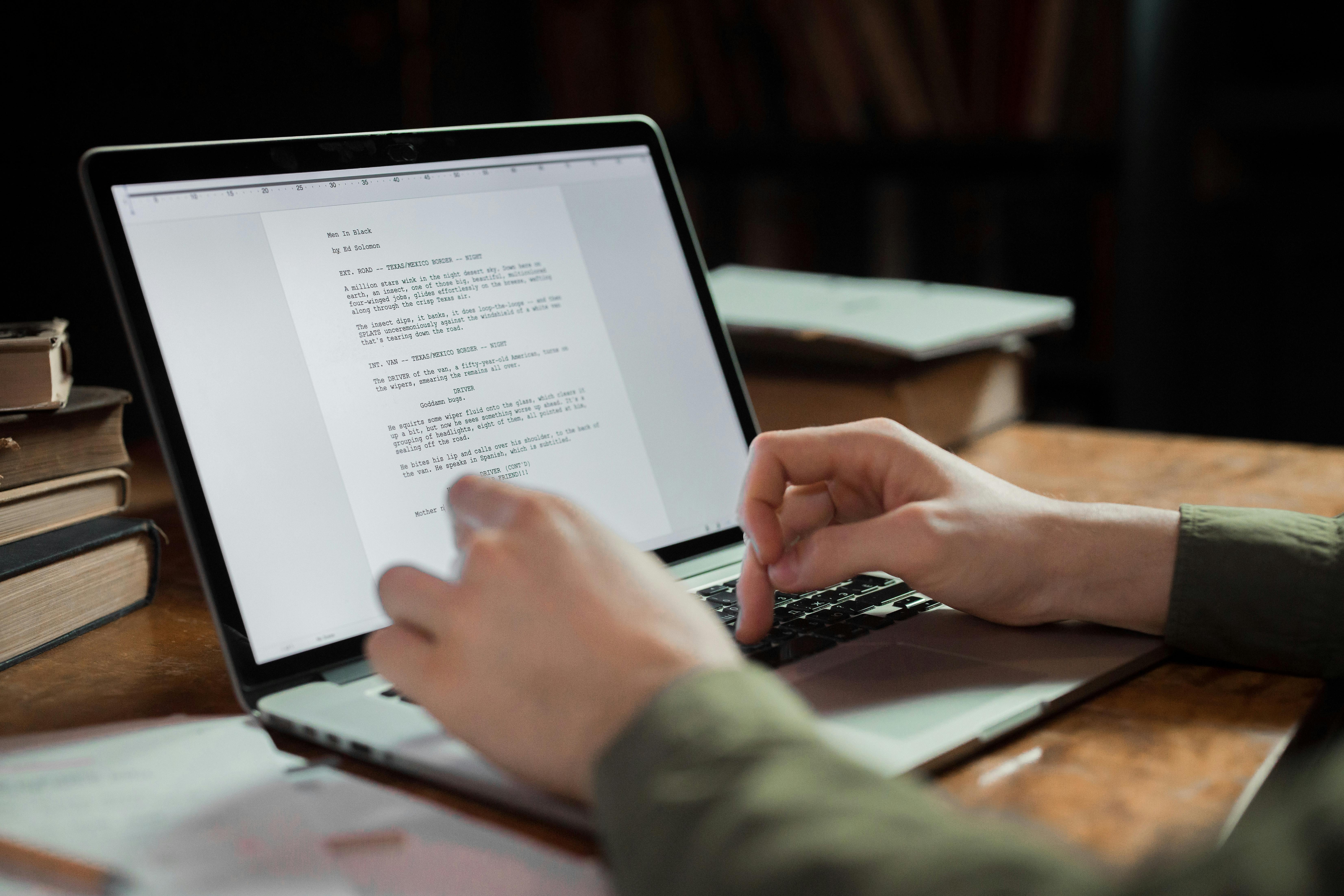
What is Line Editing?
Line editing is the process of refining the language, style, and flow of a manuscript at the sentence and paragraph level. Unlike copyediting, which focuses on grammar, punctuation, and spelling, line editing looks at how your words function together to create tone, rhythm, and clarity.
Think of it as a stylistic polish — your line editor’s goal is to help your writing shine by:
Improving sentence structure
Enhancing word choice and phrasing
Eliminating awkward or redundant wording
Clarifying meaning and tightening prose
Preserving your unique voice while strengthening delivery
A line editor reads every sentence with an eye for how it sounds, how it flows, and how it connects with the reader. They’ll help you turn a good sentence into a great one.
Line Editing vs. Copyediting: What's the Difference?
One of the most common questions we hear from authors is: “Isn’t line editing the same as copyediting?” Not quite.
Here’s a simple breakdown:

While both types of editing occur at the sentence level, line editing is more creative and subjective, whereas copyediting is more technical and rule-based. Many authors benefit from having both — often in separate passes — to ensure their manuscript is both polished and precise.

Why Line Editing Matters for Your Book
1. Enhances Readability
Even a well-plotted story can suffer from confusing or clunky prose. Line editing smooths out the bumps, ensuring your words flow naturally and keep your reader engaged.
For example:
Before: He turned around quickly and then suddenly shouted with loud anger.
After line editing: He spun around and shouted, his voice sharp with fury.
A good line editor cuts through unnecessary words and delivers clarity without sacrificing voice.
2. Strengthens Your Voice
Many writers worry that editing will dilute their unique voice. On the contrary, a skilled line editor knows how to amplify your voice by removing distractions and inconsistencies. They work with your natural style, helping you say what you mean with greater precision and power.
3. Improves Pacing and Flow
Some scenes may drag, while others might move too fast. Line editing brings balance by addressing sentence and paragraph length, transitions, and rhythm — all crucial elements for good pacing.
4. Eliminates Redundancy and Wordiness
Overwriting is a common pitfall, especially in early drafts. Line editing trims the fat, helping you say more with fewer words without losing meaning or emotion.
5. Prepares Your Manuscript for the Next Stage
A strong line edit makes the copyeditor’s job easier. It ensures that by the time your manuscript reaches the proofreading stage, it’s already stylistically sound and structurally clean. Skipping this step can lead to more extensive rewrites later, increasing both time and cost.

Signs Your Manuscript Needs a Line Edit
Not sure if you need a line editor? Here are a few signs it might be time:
You’ve revised multiple times but still feel your prose isn’t as strong as it could be.
Beta readers say the story is great, but something about the writing doesn’t “click.”
Your manuscript feels bloated or repetitive.
You struggle with sentence flow or word choice.
You want to elevate your writing while keeping your voice intact.
If any of these sound familiar, line editing could be the missing piece.

Line Editing in Action: A Before-and-After Example
Let’s look at a quick example to show the value of a good line edit.
Before:
She was extremely tired and exhausted after walking for many hours, and the sun was going down behind the hills.
After Line Editing:
Exhausted after hours of walking, she watched the sun dip behind the hills.
Notice the tighter structure, improved flow, and stronger visual imagery — all hallmarks of effective line editing.
How All in the Edit Can Help
At All in the Edit, line editing is one of our core services — and one of our favorite parts of the process. We know that every author has a unique voice and story to tell, and we treat your manuscript with the care and attention it deserves.
Our experienced editors will:
Provide in-depth feedback at the line level
Maintain your voice while strengthening clarity and tone
Help you make each sentence count
Prepare your book for successful copyediting and publication
Whether you're self-publishing or submitting to an agent, a professionally line-edited manuscript sets the right tone — and shows readers (and industry professionals) that you take your work seriously.
Final Thoughts
Line editing might be one of the lesser-known stages of editing, but its impact on your book is enormous. It bridges the gap between structural revision and technical cleanup — and can mean the difference between a rough draft and a reader-ready manuscript.
Don’t let unclear prose, awkward phrasing, or inconsistent tone hold your book back. Invest in line editing to elevate your writing and give your story the polish it deserves.
Ready to Take Your Manuscript to the Next Level?
Let’s make your words work harder (and smarter).
👉 Contact us today to schedule a free editing consultation or learn more about our line editing services.
📘 Want to learn more about the full publishing process? Visit our website and fill out the pop-up form to receive your free guide, “From Manuscript to Bestseller: A Step-by-Step Guide for Aspiring Authors.”